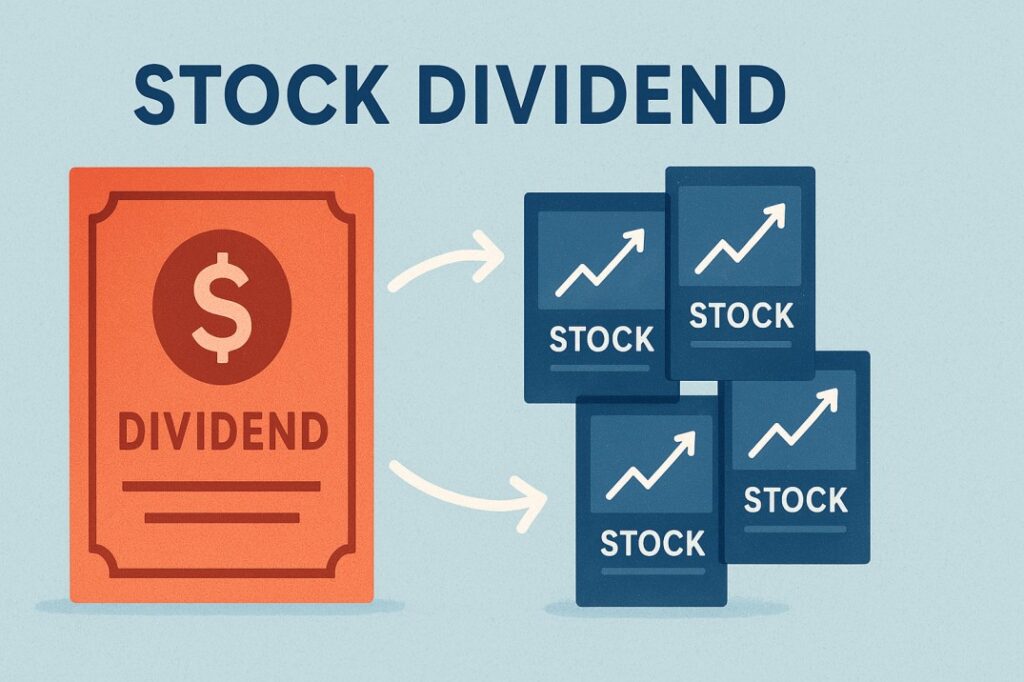

Introduction – Why “best long term dividend stocks” matters now
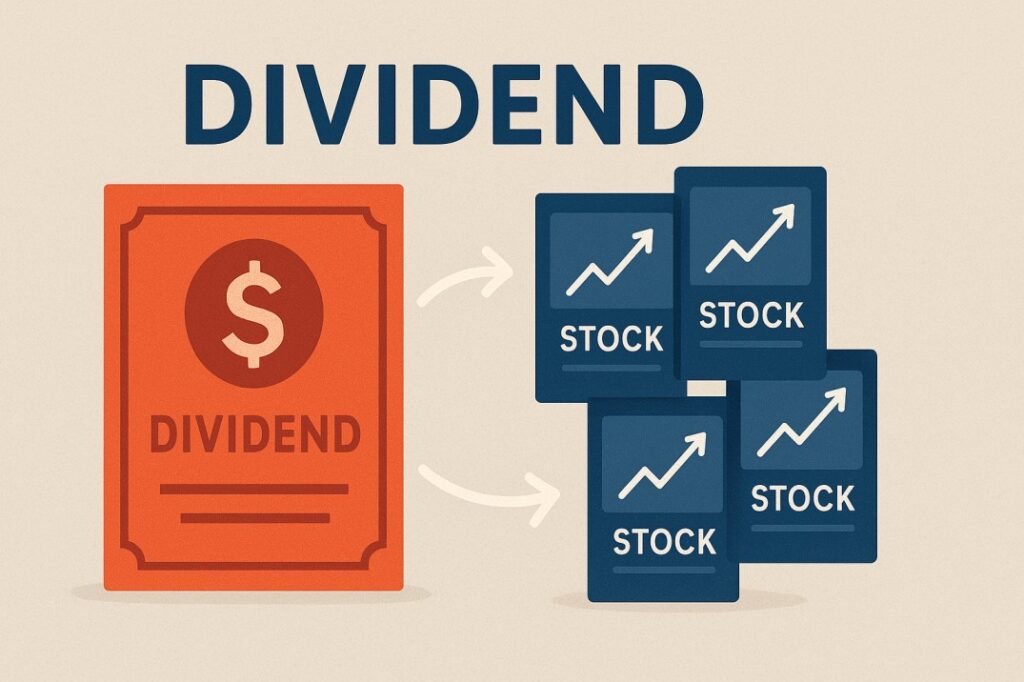
If you want income that compounds quietly while you sleep, the best long term dividend stocks are one of the simplest, most resilient building blocks of a portfolio. Dividend stocks reward patience: they provide cash returns today and the potential for rising payouts tomorrow as companies grow profits and increase distributions over decades. In this post I’ll share researched picks, explain how I evaluate them, and give a tidy comparison table so you can decide which fit your goals.
What to look for in long-term dividend stocks
Before naming names, a quick checklist I use whenever I evaluate dividend names:
- Dividend history & growth – multi-year streaks of increases are a strong signal (but not a guarantee).
- Payout ratio & free cash flow – can the company sustain and grow the dividend?
- Business durability – consumer staples, healthcare, and certain industrials often survive cycles better.
- Balance-sheet strength – lowish leverage reduces cut risk during recessions.
- Valuation & total return potential – yield alone can be a trap; price matters.
Dividend Aristocrats – S&P 500 companies with long consecutive increases – are a good starting pool for researchers and investors because they’ve shown discipline around payouts. As of late 2025 there are roughly 60-70 stocks in that group, and many authors track and rank them regularly. simplysafedividends.com
Shortlist: durable dividend names worth studying
Below are companies for long-term dividend exposure. You may choose them for long histories of increases, reasonably healthy payouts, and business models that survive downturns.
| Company | Ticker | Sector | Typical Case (yield / streak) |
|---|---|---|---|
| Johnson & Johnson | JNJ | Healthcare | Dividend streak: 50+ years; moderate yield (stable payers). investor.jnj.com |
| Procter & Gamble | PG | Consumer Staples | Extremely consistent payer — decades of raises. Dividend.com |
| Coca-Cola | KO | Consumer Staples | Long streak of dividend increases; globally entrenched brand. Koyfin |
| PepsiCo | PEP | Consumer Staples | Strong margins + steady dividend growth (complement to KO). Koyfin |
| Exxon Mobil | XOM | Energy | Commodity-sensitive but resilient cash flow and big buybacks/dividends historically. Investing.com India |
| Realty Income | O | REIT (Net Lease) | Known for monthly dividends and higher yield (income focus). Investing.com India |
Note: yields fluctuate with market prices – the table highlights structural strengths (streaks, category) rather than exact, time-sensitive yield decimals. Check the company investor pages or a trusted finance site for real-time numbers before trading. Investing.com India+4investor.jnj.com+4Dividend.com+4
Why these names – a deeper look
Johnson & Johnson (JNJ) – healthcare ballast
JNJ mixes pharmaceuticals, medical devices, and consumer health – a diversified cash producer that has raised dividends for decades. That diversification smooths revenue shocks. What to watch: product litigation and pharma pipeline risks. investor.jnj.com
Procter & Gamble (PG) – pricing power in staples
PG’s portfolio of household brands gives it pricing power and predictable margins; that supports dividend consistency. What to watch: margin pressure from rising commodity costs and a pricey valuation at times. Dividend.com
Coca-Cola & PepsiCo (KO, PEP) – defensive consumer duopoly
Beverage and snack giants with global distribution and brand loyalty; steady cash flows underwrite dividends. What to watch: changing consumer preferences (health trends) and foreign currency swings. Koyfin+1
Exxon Mobil (XOM) – cyclical with significant cash generation
Energy names can offer higher yields and capital return when oil prices are favorable; Exxon has historically prioritized shareholder returns. What to watch: commodity volatility and the transition to cleaner energy. For long-term dividend investors, position sizing and timing matter. Investing.com India
Realty Income (O) – income specialist (monthly pay)
A REIT that pays monthly dividends and focuses on net-lease properties; appealing for investors who want predictable cashflow cadence. What to watch: interest-rate sensitivity and property sector concentration risks. Investing.com India
Framework for constructing a long-term dividend sleeve
Follow a simple construction approach rather than a one-size-fits-all list:
- Core (50–70%) – durable, stable blue-chip stocks [e.g., PG(Procter & Gamble), KO (Coca-Cola), JNJ (Johnson & Johnson)]. These provide stability and slow dividend growth.
- Growth Income (20–30%) – companies with faster dividend CAGR but slightly higher risk (selected industrials, tech dividend growers).
- Income Enhancers (10–20%) – REITs or energy names for yield lift (e.g., Realty Income, selectively in energy). Keep exposure modest due to cyclicality.
- Rebalance & Harvest – reinvest dividends for compounding, and rebalance yearly to control concentration and capture valuation-driven opportunities.
This mix balances reliability and yield while leaving room for dividends to compound with capital appreciation.
Common traps and how to avoid them
- Chasing yield without checking fundamentals. A sky-high yield can signal a falling price or dividend stress. Always check payout ratios and free cash flow.
- Overweighting cyclical high-yielders. Energy and some REITs can blow up during downturns; limit position size.
- Ignoring valuation. Long-term returns are heavily influenced by the price you pay; buying a high-quality payer at an extreme valuation reduces future returns.
Quick checklist before you buy
- Is the dividend backed by stable or growing cash flow?
- Has management prioritized dividend sustainability historically?
- Is the payout ratio in a sustainable range for the sector?
- Does the stock price reflect its fundamentals (or is yield inflated by a crash)?
- How does this holding fit your overall income needs and time horizon?
Conclusion
The best long term dividend stocks are less about a single “perfect pick” and more about assembling a resilient collection of payers that match your income goal, time horizon, and risk tolerance. Focus first on sustainability and business quality, then on yield and valuation. For many investors, blending consumer staples, select healthcare, and measured exposure to REITs or energy produces a dependable, compounding income stream.
Disclaimer: The content provided is for educational and informational purposes only and should not be considered financial, investment, insurance, or legal advice.